Challenges in Global Drug Access and Equity
Inequities in access to essential medications are important for global health. Let's see how governments and international organizations are improving drug access worldwide.

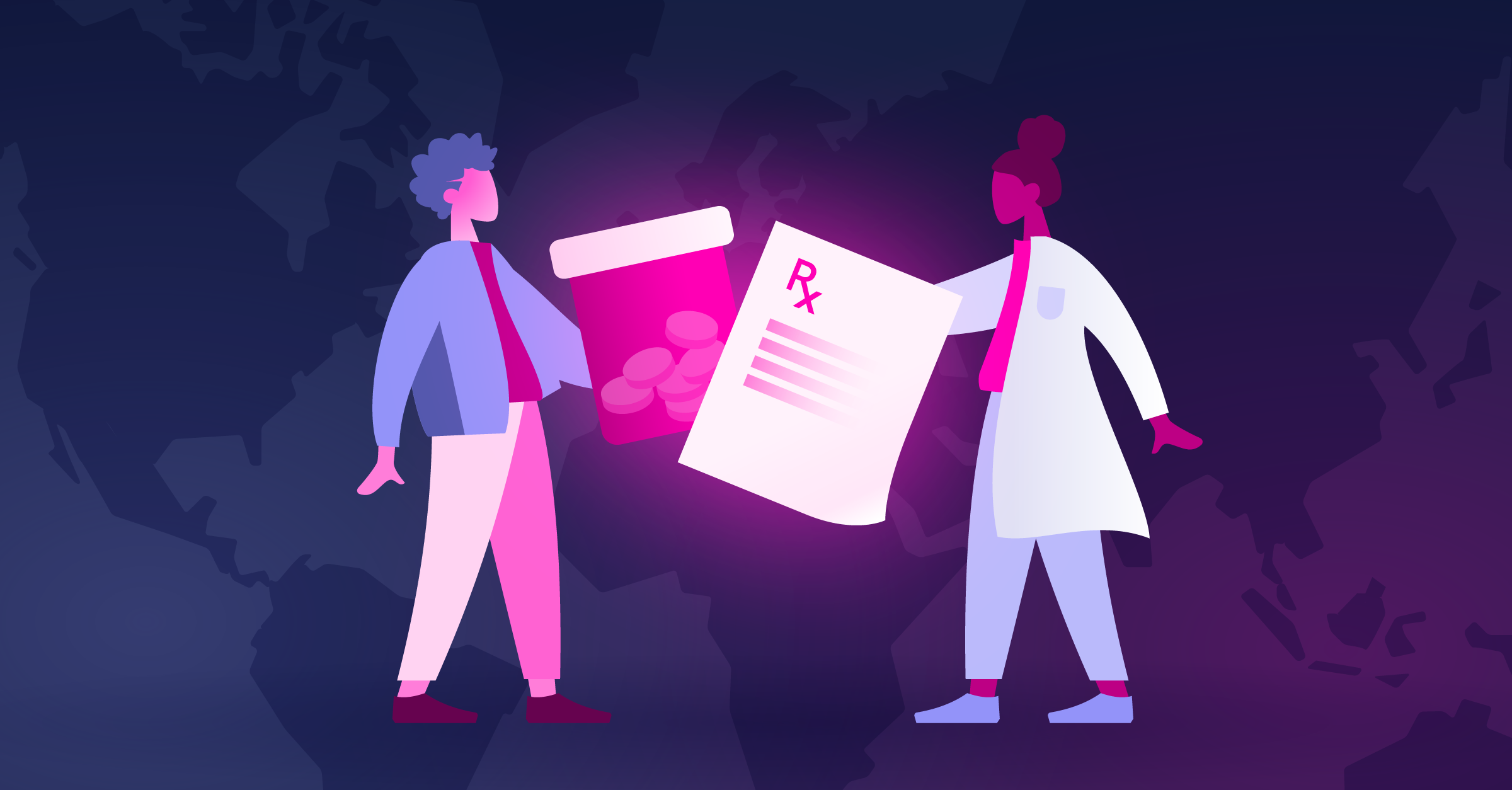
Disparities in Drug Access
The disparities in drug access across different regions of the world are a reflection of deep-seated inequities in global health. While high-income countries (HIC) enjoy access to a wide array of innovative and cutting-edge therapeutics, low- and middle-income countries (LMIC) grapple with the scarcity of even basic essential medicines. This disparity is particularly stark in the treatment of infectious diseases like HIV/AIDS, tuberculosis (TB), and malaria. For instance, in sub-Saharan Africa, where the burden of HIV/AIDS is disproportionately high, only 71% of people living with HIV have access to antiretroviral therapy, compared to over 90% in North America and Europe.
This disparity in access extends beyond infectious diseases. Cancer, cardiovascular diseases, and other chronic conditions are also disproportionately affecting LMIC, yet access to essential diagnostics and therapeutics remains limited. For example, only 35% of low-income countries reported having pathology services in the public sector, compared to 95% of high-income countries, according to the WHO.
The consequences of this inequity are devastating. Lack of access to essential medicines leads to increased morbidity and mortality, perpetuates poverty, and hinders economic development. It also undermines global health security, as outbreaks of infectious diseases in one part of the world can rapidly spread to others, as witnessed during the COVID-19 pandemic. The economic toll of untreated diseases is also substantial. Estimates suggest that LMIC loses billions of dollars annually due to productivity losses and healthcare costs associated with preventable and treatable diseases, creating a positive feedback loop that increases poverty.
The Economics of Drug Access
The economics of drug access is a complex interplay of factors, including research and development (R&D) costs, manufacturing and distribution costs, intellectual property rights (IPR), pricing policies, and healthcare financing mechanisms. The high cost of drug development, estimated to be over $4.54 billion per new drug to the German Cancer Research Center, is a significant barrier to access, particularly for LMIC with limited resources.
IPR, while essential for incentivizing innovation, can also restrict access to medicines by granting pharmaceutical companies monopolies on their products. This allows them to charge high prices that are often unaffordable for patients in LMIC. The Trade-Related Aspects of Intellectual Property Rights Agreement, a multilateral agreement on intellectual property administered by the World Trade Organization (WTO), sets minimum standards for IPR protection. Still, it also provides flexibilities, such as compulsory licensing and parallel importation, that LMIC can utilize to improve access to medicines. However, due to political pressure from HIC and pharmaceutical companies, these flexibilities often need to be more utilized.
Pricing policies and healthcare financing mechanisms are crucial in determining drug access. In many HIC, pharmaceutical prices are regulated through negotiations between governments and pharmaceutical companies, ensuring patient affordability. However, in LMIC, market forces often determine prices, leading to high prices and limited affordability. Moreover, the lack of universal health coverage in many LMIC means that patients usually have to pay out-of-pocket for medicines. A 2019 WHO report found that in LMIC, out-of-pocket expenditure accounts for over 50% of total health expenditure, compared to less than 20% in HIC.
International Partnerships and Global Health Initiatives
Collaborative efforts between governments, international organizations, philanthropic foundations, and the pharmaceutical industry are essential for global drug access. These partnerships leverage various stakeholders' diverse strengths and resources to tackle the challenges of drug access, including financing, procurement, supply chain management, and capacity building.
The Global Fund to Fight AIDS, Tuberculosis and Malaria, a prime example of a successful international partnership, has disbursed over US$50 billion since its inception in 2002 to support the procurement and distribution of essential medicines in LMIC. This has resulted in significant improvements in access to life-saving treatments for HIV/AIDS, TB, and malaria, particularly in sub-Saharan Africa. The President's Emergency Plan for AIDS Relief, a U.S. government initiative, has also played a pivotal role in scaling up HIV/AIDS treatment in resource-limited settings, demonstrating the impact of sustained political commitment and financial investment in global health programs.
The Medicines Patent Pool (MPP), a UN-backed public health organization, has been critical in negotiating voluntary licenses with patent holders, allowing generic manufacturers to produce affordable versions of essential medicines for LMIC. This has dramatically expanded access to life-saving treatments for HIV/AIDS, hepatitis C, and tuberculosis, among other diseases. The MPP's model of voluntary licensing has been hailed as a successful example of how intellectual property rights can be leveraged to promote public health goals.
Policy Reforms and Regulatory Harmonization
Regulatory frameworks play a crucial role in ensuring the quality, safety, and efficacy of medicines, but they can also create barriers to access, particularly in LMIC with limited regulatory capacity. Streamlining regulatory processes, harmonizing regulatory requirements across different countries, and strengthening regulatory capacity in LMIC are essential steps towards improving drug access.
The WHO prequalification program, for instance, assesses the quality, safety, and efficacy of generic medicines, enabling their procurement by UN agencies and other international organizations. This has significantly increased the availability of affordable, generic, quality-assured drugs in LMIC. Similarly, the development of harmonized regulatory guidelines for biosimilars, such as those developed by the WHO and the International Council for Harmonisation of Technical Requirements for Pharmaceuticals for Human Use, has facilitated the global approval and adoption of these cost-effective alternatives to biologic medicines.
Policy reforms, such as the implementation of national essential medicines lists and the adoption of evidence-based treatment guidelines, can also improve drug access by ensuring that the most effective and affordable medicines are prioritized and made available to patients. Moreover, policies promoting local pharmaceutical manufacturing and technology transfer can enhance drug security and reduce reliance on imports, which are vulnerable to disruptions due to global events like pandemics or political instability.
Financing Mechanisms of Drug Access
Innovative financing mechanisms can play a crucial role in addressing the financial barriers to drug access. Tiered pricing, differential pricing, and voluntary licensing agreements can make medicines more affordable in LMIC while still incentivizing innovation. For example, Gilead Sciences' voluntary licensing agreements for its hepatitis C drugs such as sofosbuvir have enabled the production of generic versions in LMIC at a fraction of the cost in HIC, significantly expanding access to these life-saving treatments.
Advance market commitments (AMC), which guarantee a market for vaccines at a predetermined price, have successfully incentivized developing and producing vaccines for diseases like pneumococcal disease and rotavirus, which disproportionately affect children in LMIC. By creating a predictable demand for vaccines, AMC de-risks investment in vaccine R&D and encourages manufacturers to produce vaccines at affordable prices.
Other innovative financing mechanisms, such as social impact bonds, where private investors finance social programs and are repaid by the government if the program achieves its outcomes, and pooled procurement mechanisms, where countries combine their purchasing power to negotiate lower prices for medicines, are also being explored to improve drug access.
Empowering LMIC for Self-Reliance
Promoting local pharmaceutical manufacturing in LMIC can enhance drug security and reduce reliance on imports, which can be vulnerable to disruptions. Technology transfer initiatives can help LMIC develop the capacity to produce their medicines, thereby reducing costs and improving access. This can also contribute to economic development by creating jobs and stimulating local industries.
The WHO's Local Production Initiative supports countries in developing their pharmaceutical manufacturing capacity by providing technical assistance, training, and policy guidance. This initiative aims to promote sustainable local production of quality-assured medicines that are affordable and accessible to the populations they serve. Several LMIC, such as India and Brazil, have made significant strides in developing their pharmaceutical manufacturing capabilities, demonstrating the potential for local production to improve drug access and strengthen health systems.
Artificial Intelligence and Data-Driven Approaches
Data science and AI can revolutionize global health, including drug access and equity. By analyzing large-scale datasets, machine learning algorithms can identify patterns and trends that can inform decision-making, optimize resource allocation, and improve the efficiency and effectiveness of healthcare delivery.
Data science can also identify populations at high risk of developing certain diseases, enabling targeted interventions and preventative measures. This can be particularly impactful in LMIC, where limited resources and targeted interventions are essential for maximizing impact. For instance, machine learning algorithms can analyze demographic, epidemiological, and environmental data to identify populations at high risk of malaria or tuberculosis. This allows for targeted distribution of preventive measures and early treatment.
Mobile health technologies can facilitate delivering healthcare services and medicines to remote and underserved areas. For instance, the Zipline drone delivery program in Rwanda has successfully delivered blood products and essential drugs to rural health facilities, improving access for vulnerable populations. This innovative approach demonstrates the potential of technology to overcome logistical challenges and improve healthcare delivery in resource-limited settings.
Stay informed by signing up for our newsletter, where you'll gain early access to the latest insights, trends, and breakthroughs in drug discovery, powered by cutting-edge data and analysis from industry-leading experts.