How Digital Therapeutics are Shaping the Pharmaceutical Industry
With the widespread use of smartphones and technology, the pharmaceutical industry has created new ways to deliver medicine and personalized therapies called digital therapeutics.

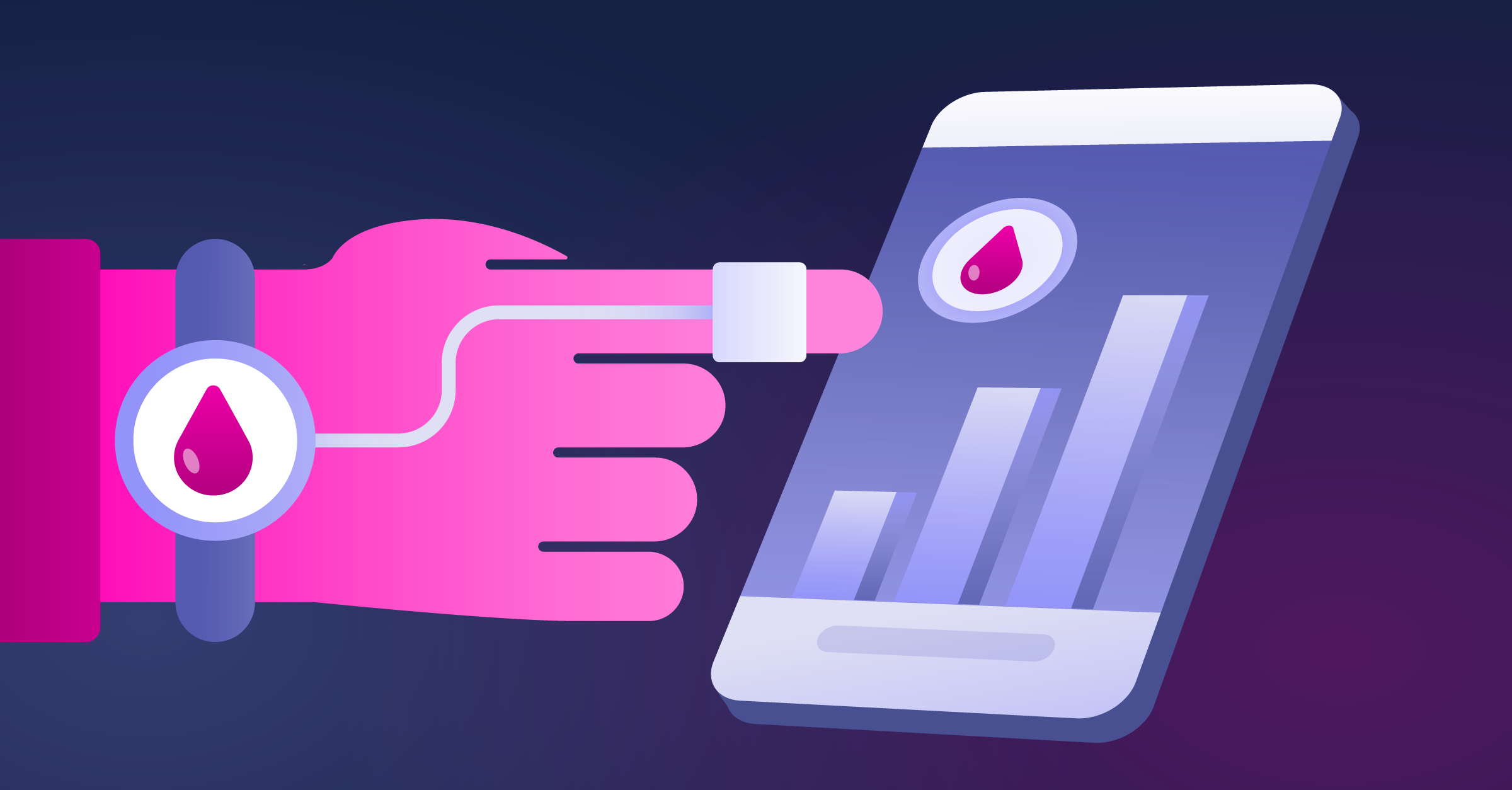
A new shift is occurring in the pharmaceutical industry, leading to a rapidly expanding field known as digital therapeutics (DTx). At its core, DTx involves the delivery of therapeutic interventions through high-quality software programs that have been rigorously validated by clinical evidence. These interventions target a broad spectrum of medical conditions, encompassing chronic diseases and even substance abuse. They are also distinct from wellness or lifestyle apps that need legitimate medical credibility. DTx interventions include sensor-equipped wearable devices, remote patient monitoring tools, and virtual reality platforms integrated with conventional pharmaceutical treatments. This integration aims to enhance patient outcomes and bring in a new era of healthcare delivery characterized by increased efficiency and personalization.
Empowering Patients and Enhancing Outcomes
A cornerstone of treatment success lies in patient engagement and treatment adherence. However, non-adherence to medication regimens remains a pervasive problem, leading to suboptimal outcomes and increased hospitalizations. DTx directly addresses this issue, leveraging technology to empower patients and foster active participation in their treatment journey. Features like automated reminders serve as gentle nudges, ensuring medication schedules are maintained. Personalized feedback, tailored to individual patient data, transforms treatment into a collaborative process. At the same time, gamification elements inject fun, making adherence less of a chore and more of an engaging activity.
Consider BlueStar's success in diabetes management. This FDA-cleared DTx solution provides real-time coaching, personalized feedback, and educational resources, leading to improved glycemic control and reduced A1C levels. Such real-world examples demonstrate how DTx can transform passive patients into active participants, improving health outcomes.
Data-Driven Patient-Centric Care with DTx
Beyond improving adherence, DTx is positively impacting patient-centered care. Collecting real-time patient data and conducting remote monitoring enables healthcare providers to gain continuous insights into patient health status and treatment response. This allows for early detection of adverse events and treatment optimization based on objective real-world evidence. Furthermore, remote monitoring reduces the need for frequent in-person visits, offering greater patient convenience and optimizing healthcare resources.
An example could be a patient with chronic heart failure equipped with a wearable device that continuously monitors their vital signs. Any deviations from baseline can trigger an alert to their healthcare provider, enabling timely intervention and potentially preventing a costly hospitalization. This is the power of DTx - transforming healthcare from reactive to proactive.
How DTx is Influencing the Adoption of Personalized Medicine
Personalized medicine is a new concept where treatment is independently formulated to suit an individual's distinct genetic makeup, lifestyle, and disease characteristics. Integrating artificial intelligence (AI) into DTx has improved and allowed for the personalization of treatments. DTx interventions generate abundant patient data, including treatment responses, lifestyle patterns, and even biometric data from wearable devices. AI algorithms can analyze this wealth of information, identifying subtle patterns and correlations that may not be readily apparent to human clinicians. This may enable the development of highly targeted therapies and individualized treatment plans, maximizing therapeutic efficacy while minimizing the risk of adverse side effects.
For instance, consider Foundation Medicine's FoundationOne CDx, an FDA-approved comprehensive genomic profiling test for solid tumors. This test uses AI to analyze the genetic mutations in a patient's tumor, providing oncologists with crucial information to guide treatment decisions. By identifying specific genetic alterations, oncologists can select targeted therapies that are more likely effective for that patient, improving treatment outcomes and reducing unnecessary side effects.
Another example is using AI to develop digital biomarkers for mental health disorders. Companies like Mindstrong Health are leveraging AI to analyze smartphone data, such as typing patterns and voice inflections, to detect subtle changes that may indicate a worsening mental health condition. This early detection allows timely interventions, potentially preventing a crisis and improving patient outcomes.
DTx can leverage AI to continuously monitor patient data and adjust treatment plans in real-time, ensuring optimal therapeutic response and minimizing the risk of complications. An example is the closed-loop insulin delivery system developed by Medtronic. This system utilizes AI to continuously monitor blood glucose levels and automatically adjust insulin delivery, mimicking the function of a healthy pancreas. This personalized, data-driven approach to diabetes management improves glycemic control and reduces the risk of hypoglycemia.
The convergence of DTx and AI is transforming how we treat diseases and redefining the patient experience. By tailoring treatment to individual needs and preferences, DTx can improve patient engagement and adherence, leading to better outcomes. Furthermore, the ability to predict and prevent adverse events through continuous monitoring and AI-driven insights can enhance patient safety and reduce healthcare costs.
A Financial Win-Win
From a financial perspective, DTx adoption offers a compelling value proposition for all stakeholders. DTx presents a unique opportunity for pharmaceutical companies to diversify their product portfolios and create new revenue streams. By integrating DTx with existing medications, they can enhance the overall value of their offerings, potentially leading to increased market share and profitability.
DTx can streamline drug development by enabling more targeted and effective therapies. This reduces the risk of costly late-stage clinical trial failures and accelerates the time to market for new products, ultimately improving pharmaceutical companies' return on investment. Healthcare providers also stand to gain significantly from DTx adoption. Remote monitoring and virtual consultations can reduce the burden on in-person visits, allowing clinicians to focus on more complex cases and improving overall operational efficiency. Furthermore, DTx can facilitate proactive management of chronic diseases, potentially reducing hospitalizations and emergency room visits, thereby generating substantial cost savings for healthcare systems.
For payers, including insurance companies and government agencies, the widespread adoption of DTx can lead to significant long-term cost savings. By improving patient adherence and treatment outcomes, DTx can mitigate the financial burden associated with complications and hospitalizations. Payers increasingly recognize this value and are exploring ways to incorporate DTx into their coverage plans, incentivizing preventive care and proactive disease management.
Real-World Examples of DTx Success Stories
Numerous DTx products have already demonstrated remarkable clinical and financial impact, underscoring the transformative potential of this burgeoning field. One notable example is Omada Health's digital diabetes prevention program, which has been shown to reduce the risk of developing type 2 diabetes by 58% in high-risk individuals. This program combines lifestyle coaching, evidence-based behavior change strategies, and remote monitoring to empower patients to make sustainable lifestyle modifications, thereby preventing the onset of a chronic and financially burdensome disease.
In the field of mental health, PursueCare Digital Therapeutics' reSET and reSET-O, digital therapies designed for the treatment of substance use disorder, have been clinically proven to improve abstinence rates and reduce the likelihood of relapse. These programs leverage cognitive behavioral therapy, contingency management principles, and community support delivered through a user-friendly mobile application, offering a scalable and accessible solution for a pervasive public health challenge.
Another example of DTx potential is Propeller Health's digital platform for managing asthma and chronic obstructive pulmonary disease (COPD). This platform seamlessly connects to a patient's inhaler, tracking medication use and providing personalized insights and actionable feedback. Propeller Health's platform can significantly improve medication adherence, reduce the need for rescue inhaler use, and enhance overall disease control.
Additionally, Akili Interactive's EndeavorRx stands as the only clinician-backed video game in the field of DTx for attention deficit hyperactivity disorder (ADHD). This FDA-cleared video game-based therapy has been clinically proven to improve attention function in children with ADHD. By engaging patients in a fun and interactive way, EndeavorRx demonstrates the potential of DTx to address neurological conditions and improve cognitive function, offering a non-pharmacological alternative or adjunct to traditional treatments.
Further showcasing the versatility of DTx, we have the example of CogniFit, a digital platform offering a range of brain training exercises designed to improve cognitive function in individuals with conditions like Alzheimer's disease, multiple sclerosis, and chemotherapy-induced cognitive impairment. CogniFit's personalized training programs have been shown to enhance memory, attention, and processing speed, offering a valuable tool for managing cognitive decline and improving quality of life.
While challenges in regulatory approval, reimbursement, and integration into existing workflows remain, the financial and clinical benefits of DTx are undeniable. It presents a compelling value proposition for all stakeholders, from pharmaceutical companies seeking to diversify their portfolios and accelerate drug development to healthcare providers aiming to improve operational efficiency, patient care, and payers looking to reduce long-term healthcare costs. As DTx continues to evolve and mature, it holds the promise of a future where healthcare is not only more effective but also more accessible, personalized, and patient-centric. The convergence of digital technology, AI, and pharmaceutical therapies is poised to redefine the healthcare landscape, marking a new era where patient empowerment and data-driven insights take center stage.
Stay informed by signing up for our newsletter, where you'll gain early access to the latest insights, trends, and breakthroughs in drug discovery, powered by cutting-edge data and analysis from industry-leading experts.